Engines for Sale: Uncover Excellent Parts for Your Vehicle
When researching engines for sale, automobile owners must emphasize fit and quality. Multiple online venues furnish wide arrays of options, but selective shoppers need to thoroughly assess every choice. Considerations involving engine type, condition, and seller reputation serve as key determinants in the purchasing decision. With numerous options at your disposal, comprehending the details of engine specifications and warranties becomes necessary. What must buyers consider before making a purchase?
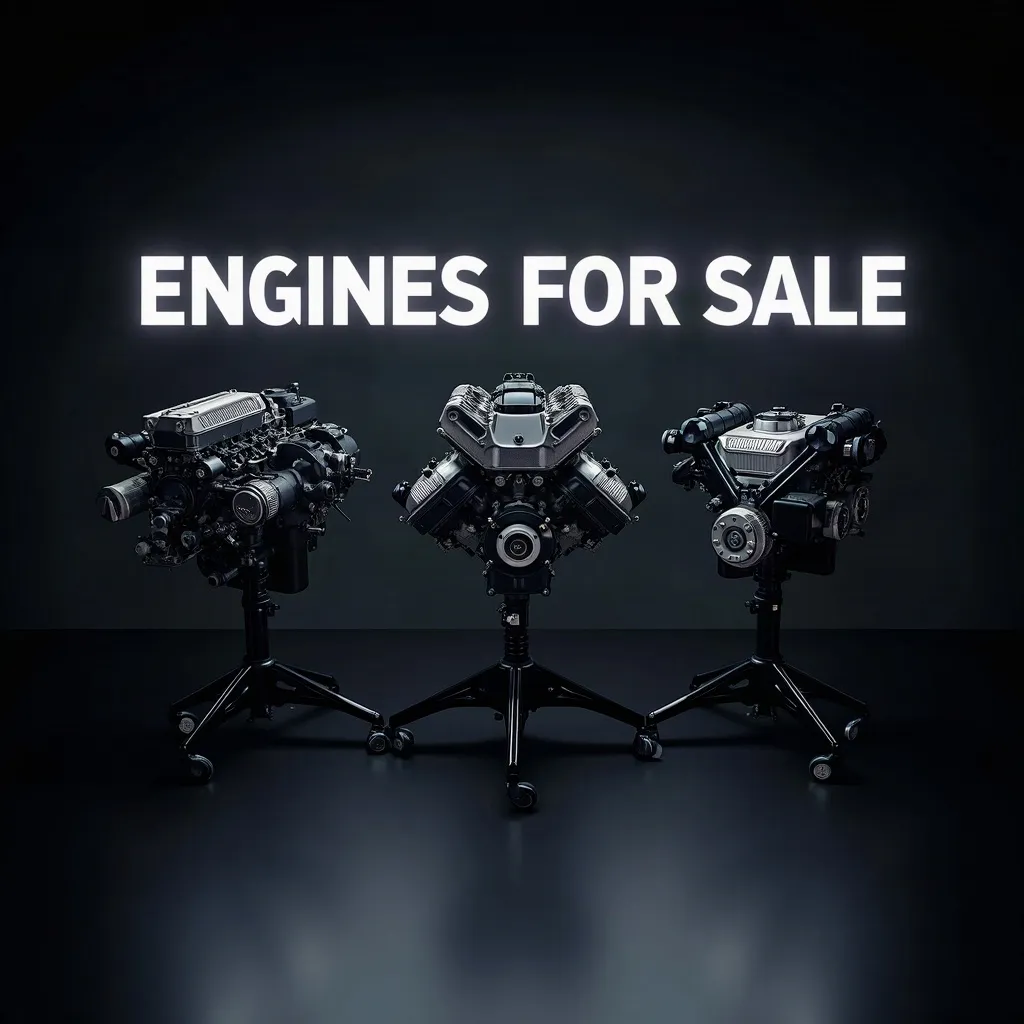
Determining Your Engine Type and Needs
How does one determine the suitable motor category and requirements for their specific needs? First, it is paramount to confirm the vehicle's make, model, and year, since these factors influence compatibility. Then, examining the intended use is crucial; for instance, heavy towing or off-road driving may necessitate a more strong engine. Fuel efficiency preferences also are important, because different engine types like gasoline or diesel provide varying output and economy.
Also, comprehending engine power and torque data can guide the determination, ensuring the engine satisfies performance expectations. Examining industry standards and consulting with professionals can further clarify alternatives. Ultimately, monetary factors, involving purchase and installation costs, must be factored in. By evaluating these points, one can make an informed decision that matches both their vehicle requirements and personal driving style.
Top-tier Digital Marketplaces for Offering Engines
When exploring engines on the internet, various popular merchants and specialized component venues provide a broad range to satisfy varied needs. These platforms give customers with availability to both new and reconditioned selections, appealing to various budgets and interests. Understanding the strengths of each marketplace can aid in creating a informed acquisition determination.
Popular Engine Dealers Online
The search for quality engines has been greatly streamlined by the growth of digital retailers. Among the most popular retailers are eBay Motors and Car-Part.com, which offer an vast selection of pre-owned and brand new engines from various manufacturers. These services deliver comprehensive listings, featuring compatibility information and customer reviews, ensuring buyers make informed decisions. Additionally, Amazon has entered the automotive sector, offering engines alongside parts and accessories, attracting a wider audience. RockAuto is another notable option, specializing in hard-to-find engines and parts. These online retailers not only improve accessibility but also promote competitive pricing, allowing it easier for consumers to find the right engine for their vehicle needs without the hassle of traditional shopping.
Specialty Parts Marketplaces
Several focused parts marketplaces serve engine buyers interested in unique or exclusive options. Platforms like eBay Motors and Car-Part.com offer comprehensive inventories, often including hard-to-find engines and specialized parts. Users gain detailed listings, including specifications and condition reports, which enable informed purchasing decisions. Niche marketplaces like Summit Racing and JEGS target high-performance engines and aftermarket components, drawing enthusiasts and racers. User reviews and ratings often are featured on these marketplaces, increasing trust and helping buyers assess seller credibility. By leveraging these specialty platforms, consumers can access a broader range of engine options, making sure they find the perfect match for their vehicle's needs.
Evaluating Engine Quality: Key Factors to Review
Evaluating motor quality is crucial for guaranteeing optimal functionality and longevity in any vehicle. Key elements should be examined during this evaluation process. First, the engine's history is important; understanding whether it has been rebuilt or has sustained any damage can provide insights into its dependability. Second, mileage plays a significant part; reduced mileage often suggests minimal wear, though it's not the sole factor of quality.
Third, the condition of the engine parts should be assessed, such as the block, pistons, and valves, as these parts are essential to engine operation. Additionally, reviewing service history can show how well the engine has been cared for over time. Finally, the standing of the manufacturer or seller should not be ignored, as trusted brands typically offer better quality control. Together, these factors lead to an informed decision when choosing an engine.
Breaking Down Engine Specs: What You Need to Know
Grasping engine specifications is critical for making thoughtful purchasing decisions. Key factors involve the type of engine, which influences performance and suitability, as well as displacement and power output, which directly relate to the vehicle's capabilities. Furthermore, fuel efficiency plays a crucial part in long-term cost considerations, making it important to evaluate these aspects in detail.
Engine Type Significance
When selecting an engine, the engine type plays a critical role in determining performance, efficiency, and compatibility with specific vehicles. Various engine designs, such as inline, V-type, and rotary, each provide unique characteristics that affect driving dynamics. Inline engines are often praised for their simplicity and compact design, while V-type engines typically provide more power and smoothness. Rotary engines, though less common, are recognized for their lightweight and high-revving nature. Recognizing these distinctions enables consumers to make informed choices that align with their driving needs. Additionally, engine type influences fuel economy, emissions, and maintenance requirements, making it essential for buyers to assess these factors when searching for an engine that fits their vehicle specifications and performance expectations.
Cubic Displacement and Power Output
Displacement and power output are critical factors in engine specifications that directly influence a vehicle's performance. Displacement, measured in liters or cubic centimeters, represents the total volume of all the engine's cylinders. Generally, a larger displacement allows for more air and fuel intake, leading to higher power output. Power output, often expressed in horsepower or kilowatts, indicates the engine's ability to perform work. It shows how quickly a vehicle can accelerate and maintain speed. Together, these metrics provide important insights into an engine's capabilities, aiding consumers make educated choices when considering engine options. Understanding these specifications is essential for evaluating potential performance, guaranteeing that the chosen engine fits the driver’s needs and expectations.
Fuel Economy Factors
While muscle and output often command attention in engine discussions, economy ratings plays a important function in the overall value of an engine. Purchasers more often choose engines that present better miles per gallon (MPG) ratings, as these yield lower operating costs and lessened environmental effects. Variables affecting fuel efficiency include engine design, weight, and the type of fuel used. Turbocharged engines, for instance, can deliver impressive power while sustaining good fuel economy. Additionally, advancements in technology, such as fuel injection systems and hybrid configurations, bolster efficiency. Buyers should review not only the engine's power output but also how it relates to their fuel efficiency goals, ensuring a balanced choice that fits both performance needs and budget constraints.
Getting Pre-owned Engines: Vital Tips
Acquiring a used pertinent details engine can be an intimidating task, especially for those unfamiliar with the complexities involved. It is critical to undertake extensive research before making a decision. Buyers should start by finding established sellers, whether through web-based options or local salvage yards. Examining testimonials and reviews can provide important insights into the seller's reliability.
Next, obtaining the engine’s past records is important. This entails total miles, earlier fixes, and any documented issues. A physical inspection can reveal signs of wear, such as leakages or corrosion, and it is advisable to perform a compression test to assess the engine's performance. Additionally, verifying compatibility with the vehicle model guarantees a more straightforward installation process.
Finally, customers should prepare to discuss the price, bearing in mind the engine's condition and market value. By following these tips, consumers can make educated decisions and improve their chances of a successful purchase.
Warranty and Refund Policies: What to Understand?
Getting a used engine requires understanding warranty coverage and return options. A thorough warranty often demonstrates the seller's confidence in the engine's reliability. Purchasers should examine the warranty terms thoroughly, observing the length and coverage details, including parts and labor. Certain warranties may cover solely particular problems, while others offer more extensive coverage.
Return policies also play an important role. Buyers must establish if returns will be accepted, the timeframe for exchanges, and any restocking fees. Typically, a business may require the engine to be in original condition for a return to be approved.
It is recommended for buyers to record the condition of the engine upon buying, as this can enable any claims under warranty or returns if issues arise. Ultimately, understanding these policies can protect the buyer's investment and offer peace of mind in the buying process.
Keeping Your Engine: Tips for Durability
Proper care is essential for prolonging the longevity of any motor. Regular oil changes are vital, as fresh oil reduces friction and keeps components properly lubricated. It is recommended to check the oil level monthly and replace it based on the manufacturer's guidelines. Furthermore, tracking coolant levels helps avert overheating, while confirming that belts and hoses are in good condition can prevent expensive repairs.
Air filters should be checked on a regular basis; a clean filter encourages efficient air intake, enhancing engine performance. Tire upkeep, including proper inflation and rotation, also contributes to overall vehicle health.
To conclude, maintaining a regular maintenance schedule and tackling any alert indicators immediately can stop minor issues from worsening. By adopting these strategies, vehicle owners can confirm their engines operate smoothly and extend their longevity significantly.
Routinely Asked Questions
What Ways Can I Apply to Assess the Merchant's Standing Before Purchasing an Engine?
To authenticate a seller's track record, one ought to investigate customer feedback online, examine ratings on reputable platforms, obtain recommendations from trusted sources, and explore warranties or return policies to provide assurance in the purchase.
What Are Typical Indicators of Engine Wear or Damage?
Standard indicators of engine wear or damage comprise unusual noises, excessive smoke, oil leaks, reduced efficiency, and alert indicators on the dashboard. These signs imply potential issues calling for further inspection or expert assessment.
Can I Put in a New Engine Myself, or Should I Employ a Professional?
Assessing whether to mount a new engine on your own or retain a professional depends on your background and equipment on hand. Though skilled folks might handle this task, most should explore professional services to guarantee correct installation and circumvent unforeseen complications.
What Equipment Do I Need for Engine Assembly?
Installing an engine needs vital equipment such as a socket set, wrenches, screwdrivers, an engine hoist, a torque wrench, and an oil filter wrench. Safety equipment, like gloves and goggles, is also advised to guarantee a safe process.
What Is the Best Way to Dispose of My Old Engine?
To properly handle an old engine, one should contact local recycling centers or scrap yards. Many facilities accept engines for recycling, ensuring environmentally responsible disposal while potentially providing payment for the scrap metal.